This episode covers how to run a franchise like a strategic business owner and actually grow with the help of expert support.
The franchise glow-up: How coaching turns operators into owners
In franchising, your real secret weapon isn’t the brand. It’s the support.
When most people dream about owning a franchise, they picture the logo, the location, the customers lined up at the door. What they don’t picture is the person on the other end of the phone when things get messy.
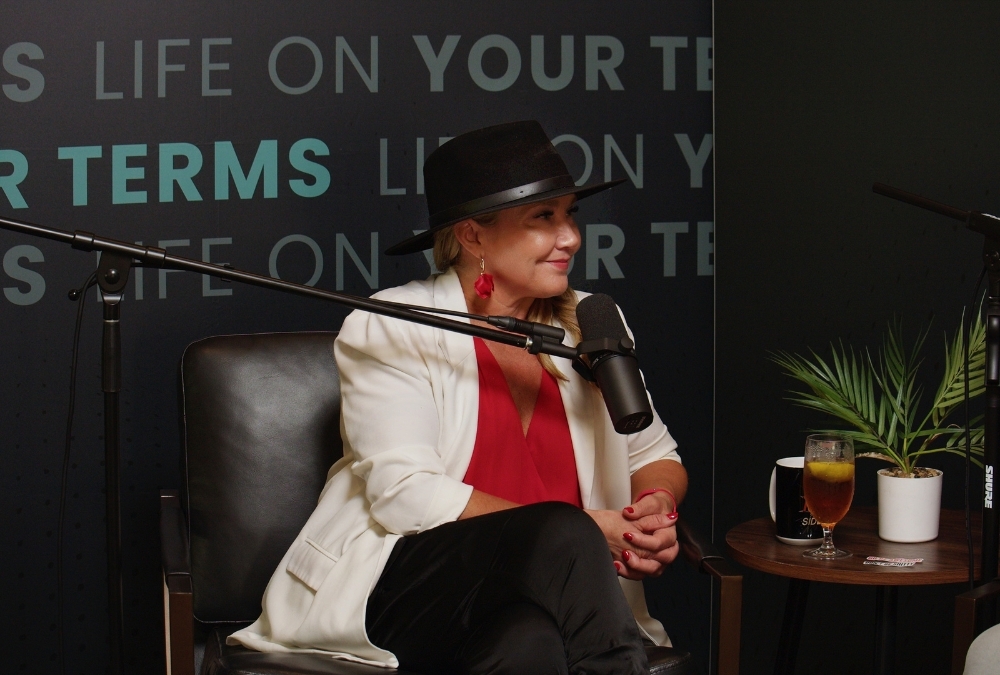
In this episode of “The Sidekick Life,” Ryan sits down with Angela Coté, founder and CEO of AC Inc., one of the most respected franchise operations and field coaching programs in the game. Angela brings 18+ years as a franchisee and the legacy of her father’s 500-location brand, and she’s on a mission to fix one of franchising’s biggest problems.
This episode is a masterclass in:
How to evaluate franchisor support during due diligence
What great field coaching and franchise operations really look like
The difference between “owning a job” and owning a scalable, sellable asset
Why KPIs, dashboards and leading indicators are non-negotiable if you want freedom
Let’s break it down.
-
“Follow the system” – the part no one explains
- You’ve heard it a thousand times: “Just follow the system”
Angela will be the first to tell you, it sounds cliché, but it’s one of the top predictors of success as a franchisee. You chose the brand. You vetted the opportunity. The whole point of franchising is that someone already built the playbook.
But there are two keys people miss:
Trust first, then tweak: Angela recommends doing exactly what the franchisor says for at least the first year. Learn the tools, understand the systems, get traction. Then you’ve earned the right (and gained the data) to suggest improvements.
Channel your creativity in the right place: Great brands give franchisees a “sandbox” for creativity – usually local marketing and community-building initiatives – while keeping core ops tight and consistent. You’re not being “controlled,” you’re being protected.
If you’re a naturally entrepreneurial, idea-driven person, this is huge: You’re not signing up to be a robot. You’re signing up to play your game inside a proven framework. -
How to tell if a franchisor will actually coach you (not just “support” you)
If you’re in due diligence, Angela gives a simple, powerful rule: Go talk to the franchisees.
And don’t just ask, “Is the franchisor supportive?”
Get specific. Ask:
“What does support actually look like?”
“Do you just text them questions or do you have regular, structured coaching?”
“Do they help you think about your bigger vision and your ‘why’?”
“Do they have a coaching framework? How do they help you when you’re not hitting your goals?”
If the answers sound like: “I can text them anytime and they answer my questions.”
That’s bare minimum. That’s tech support, not strategic growth.
You want to hear things like:
“I have a regularly scheduled call with my field coach.”
“We review KPI dashboards together and focus on the most important few.”
“There’s an ongoing training system I can access anytime.”
“They help me reverse engineer my goals into clear action steps.”
That’s not just support. That’s coaching. And in franchising, coaching is leverage. -
From firefighting to strategic growth: The new role of field coaches
-
AC Inc. works with franchisors to transform their support teams – FBCs, field coaches, ops coaches – from “problem solvers” into strategic growth partners.
Most brands are stuck in what Angela calls:
- Reactive support: “Hop on a call, put out fires, answer questions.”
What she helps them build is: Proactive, strategic growth coaching
- Ask better questions
- Help franchisees think bigger
- Build a plan and hold them accountable
- Use data to drive results
Her Field Coach Certification Program (70+ hours over five months) trains coaches to:
- Stop being the “hero” who fixes everything
- Start being the leader who empowers franchisees to solve problems and grow
The shift sounds subtle. In reality, it’s the difference between:
- A system where franchisees depend on the franchisor forever
- A system where franchisees become confident, capable owners who scale
-
Want freedom? Build a team, not a job
-
Let’s talk about what most people really want from franchise ownership: Time freedom, financial freedom and optionality.
Angela has lived the grind of owning multiple units. Ryan owns seven franchises and spends about two hours per quarter on them. That’s not luck, that’s systems.
1. Your team is everything
To get out of working in the business and start working on it (or adding more units), you need:
- The right people in the right roles
- Clear expectations and boundaries
- Real accountability, not just delegation and hope
“When you delegate, you don’t just delegate and walk away,” Angela said. “You delegate with accountability.”
2. You need communication cadences
- A set meeting rhythm (specific meetings that happen like clockwork)
- End-of-day reports so he always knows what’s happening
- Quarterly vision and strategy sessions with his partners
This isn’t sexy. It’s discipline. But it’s also what turns a franchise from “I own a job” to “I own a scalable, sellable business.”
-
The KPI conversation: Data is your superpower
-
If you want to run a franchise part-time or remotely, this is non-negotiable. You must have strong KPI and data systems.
Angela and Ryan hammered on this:
- Dashboards matter: A good franchisor should help you track a handful of critical KPIs, not 15 random numbers. Many franchisees ignore dashboards because they’re overwhelmed or no one taught them how to use them.
- Early on, focus matters: Ryan shared that in the first six months, his franchisees focused heavily on Net Promoter Score, making sure customers love the experience before worrying about sophisticated margin optimization.
- Leading indicators are where the gold is: Profit and loss is lagging. By the time you see a problem there, it’s too late.
Angela pushes brands and franchisees to track leading indicators like:
- How many networking events did you attend this week?
- How many quotes/appointments did you book?
- How many follow-up calls did you make?
Those actions feed the funnel that creates the KPIs … that ultimately show up on your P&L … that become cash in your pocket.
- Dashboards matter: A good franchisor should help you track a handful of critical KPIs, not 15 random numbers. Many franchisees ignore dashboards because they’re overwhelmed or no one taught them how to use them.
-
Start with the exit in mind (Even if you’re just starting)
-
This one hits hard.
Angela became a franchisee at 25. She was focused on growth, community, day-to-day ops – all the right things for that season. But looking back, she wishes someone had pushed her harder on exit strategy.
“Exit value is the most important financial event of your life,” Ryan said. “Nothing even comes close.”
Most new franchisees obsess over:
- Getting open
- Hiring the first team
- Getting the phones to ring
Totally valid. But soon after, you need to shift into a different question.
“How do I build this in a way that someone will pay a premium for it later?”
That means:
- Systems that don’t rely on you
- Clean financials and consistent KPIs
- A team and culture that can run without you
- A brand story and local reputation that buyers actually want
Franchise ownership isn’t just about freedom today. It’s about the big check at the end.
-
The human side: Why emotional and social intelligence are underrated in franchising
-
One of Angela’s biggest observations is franchisors often put junior, under-trained people in front of their most valuable asset, their franchisees. And then they wonder why performance stalls.
She talks about a three-legged stool for great field coaches:
- Operational & brand expertise
- Basic business acumen
- Emotional and social intelligence
That third leg is what gets franchisees to:
- Trust the coach
- Tell the truth about what’s really going on
- Stay engaged instead of ghosting calls
- Actually care about the numbers and systems
The good news? Those skills can be taught with role plays, real scenarios and coaching on how to handle tough conversations. That’s exactly what AC Inc. trains in their programs. And it doesn’t just apply to field coaches. It applies to:
- Franchisees leading their teams
- Franchisors leading their networks
- Honestly … anyone who wants to win in business
-
Are you a “Go be awesome” or a “Don’t be shitty”?
-
Angela’s 11-year-old daughter once told her before a speaking gig, “Go be awesome.”
A team member later joked, “I’m more of a ‘don’t be shitty’ guy. ‘Go be awesome’ feels like a lot of pressure.”
So, which are you?
Whether you’re team “Go be awesome” or team “Don’t be shitty,” the message is the same:
- Choose a franchise that invests in real coaching, not just crisis response.
- Build systems, track KPIs, and design your business for scale and exit value.
- Use the power of the franchise system, but don’t outsource your vision and leadership.
You deserve to live life on your terms. Franchising can be the vehicle … If you build it like a business, not a job.
Your franchise journey deserves a trusted guide.
Book a call with a Sidekick Advisor and take your first step toward life on your terms.