Thinking about buying a franchise? Learn how to review your Franchise Disclosure Document the right way.

What is a Franchise Disclosure Document, and why does it matter?
A Franchise Disclosure Document is the legal document every U.S. franchisor is required to give prospective buyers at least 14 days before they sign an agreement or pay any money. It lays out the franchisor's financial health, fees, training and support, litigation history and franchisee turnover in one standardized format. Reviewing it thoroughly – ideally with a franchise advisor and attorney – is how you tell a strong franchise investment from a risky one before you commit.
Most people skim it. Some don't open it at all until the night before they're supposed to sign. Which is understandable because it's long, it's dense and it reads like it was written by lawyers, because it was. But the FDD is the single most important document you'll touch on the road to buying a franchise.
It's not marketing. It's not a pitch deck. It's a legally mandated, standardized disclosure that every franchisor selling in the U.S. has to provide, and it's designed to protect you.
We sat down with Jordan Reed, a franchise advisor at Franchise Sidekick, to talk about what a smart, thorough FDD review looks like – and what most first-time buyers miss.
"My first quick tip is that the table of contents up front is your best friend,” Jordan said. “It literally tells you what's in each section, so use it to go straight to what you need instead of reading cold."
That's the mindset this whole process calls for: not avoidance, just a plan.
Key takeaways
- The FDD is a legal safeguard, not paperwork. The FTC requires franchisors to hand it over at least 14 days before you sign anything or pay a dollar, specifically so you have time to read it.
- Franchising is a massive, growing industry with an estimated 845,000 franchise establishments that will generate roughly $921.4 billion in economic output in 2026. The FDD is your one standardized way to tell a healthy brand from a struggling one.
- Most buyers fixate on Items 5, 6, 7 and 19 (the financial items). Item 11 (support and training), Item 21 (the franchisor's own financials) and Item 20 (franchisee turnover) matter just as much.
- About 86% of franchisors now include Item 19 financial performance data, up from just 20% in 1995. This is real progress, but that still leaves a meaningful share of brands giving you no earnings data at all.
- A franchise advisor and a franchise attorney read FDDs for a living. They catch the details a first-time buyer won't know to look for.
Why does the FDD require more than a quick skim?
Franchising is one of the most well-traveled roads to entrepreneurship in America. In 2026, the number of franchise establishments is projected to reach roughly 845,000 units, generating an estimated $921.4 billion in economic output.
That scale is exactly why the FDD exists. With hundreds of thousands of franchise brands competing for buyers, the FTC needed one standardized way to make sure every prospective franchise owner gets the same core set of facts — regardless of how polished the sales pitch is.
“Most brands, and most consultants, point you at financial Items 5, 6, 7, 19,” Jordan said. “Which is fair because that's where you'll see the most variation. But it's not the whole picture.”
The sections people gloss over often say the most about how a franchisor treats its franchise owners.
What are the FDD Items you should pay attention to outside of financials?
Here are three sections that deserve just as much attention as the financial pages, starting with the one that tells you how supported you'll be after you sign.
Item 11: The blueprint for the franchisor franchisee relationship
"Item 11 doesn't get enough credit,” Jordan said. “This is where the franchisor spells out, contractually, what they're going to do for you – and what they're not on the hook for," Jordan said.
Jordan walks nearly every client through what questions to ask when they hit Item 11.
- Pre-opening support: Will the franchisor help you find a site, sign off on your lease, design your space and stock your initial inventory? That tells you how hands-on they'll be before you ever open your doors.
- Training: How many hours, who's required to attend and is it classroom-based or on the job? And who's paying for it? That last detail gets missed constantly.
- The operating manual: Look at its table of contents and page count. A thick, detailed manual usually means a structured franchisor. That could be great. It could also be rigid. Either way, you want to know which one you're signing up for before you commit.
- Where your marketing dollars go: Item 11 covers the brand fund. Is it funding local marketing support for existing franchise owners or mostly funding the push to recruit the next round of buyers?
If you're evaluating more than one of the many franchise brands out there, Item 11 is one of the fastest ways to compare how much operational backup you're buying alongside the brand name.
Item 21: The one almost everyone skips, but shouldn’t
Ask a first-time buyer which FDD item covers "the financials," and most will say Item 19. That's a reasonable guess, but it's the wrong answer. Item 19 is about unit-level performance: what individual locations tend to earn.
"Item 21, Exhibits is different,” Jordan said. “People hear 'financials' and think Item 19. That's not it. This tells you if the brand actually has the money to support you, not just sell to you.”
This is the item Jordan says can turn a promising-looking franchise into a walk-away, even when everything else checks out.
"If a CPA has real doubt the company can stay in business over the next 12 months, they're required to say so,” Jordan said. “That's not a maybe, that's the franchisor's own auditor telling you bankruptcy or a shutdown is on the table.”
That's called a "going concern" note, and it's one of the clearest red flags a financial statement can carry. There are also a few other warning signs worth pausing on:
- Negative net worth: The company owes more than it owns, which raises real questions about whether it has the cash to get you open, let alone support you long-term.
- Revenue that leans on new franchise fees instead of ongoing royalties: This is a sign of a churn-and-burn model that needs a constant stream of new buyers to survive.
- Negative operating cash flow, year after year: A company can look profitable on paper while quietly burning real cash, and franchisee support is usually one of the first things cut when that happens.
- Unaudited financials on an established brand: New franchisors get a pass in year one, but past that, unaudited numbers mean nobody outside the company has verified them.
Item 20: Reading between the lines with franchisee turnover
Item 20 lists how many franchisees left the system, and it's tempting to look at one big number and panic. But remember, this number is a lump sum of a few very different outcomes including:
- Terminations: The franchisor cancels the agreement, usually over unpaid fees, walking away from the business, serious brand violations or fraud.
- Non-renewals: The agreement simply runs its course (often 10 to 20 years) and isn't extended. This could be for reasons such as retirement, a disagreement or the franchisor exiting that market.
- Reacquired by the franchisor: The company may buy the location back, sometimes as a bailout or sometimes because corporate wants more of its top performers.
- Ceased operations: This happens because of bankruptcy, a lease that fell apart or a personal crisis that forced a sudden close.
"The red flag is a high concentration of terminations and ceased operations specifically,” Jordan said. “A handful of non-renewals or reacquisitions is usually just a normal life cycle. But heavy terminations and ceased operations means franchisees are struggling financially or the franchisor's unusually litigious.”
It’s important to not just count the exits. Understand what kind of exits they were.
Item 3: The seemingly intimidating section of litigation
If Item 21 and Item 20 are the sections that deserve more caution than most buyers give them, Item 3 is the opposite. It tends to alarm first-time buyers far more than it should.
The FDD is a formal legal document by nature and scrolling through a list of lawsuits can feel like a warning siren, especially if you've never looked at one of these documents before.
"For a brand that's been around a while, some litigation history is just part of doing business at scale,” Jordan said. “What matters is what the litigation is about.”
Is it franchisees alleging the franchisor failed to support them, or made a financial misrepresentation? That's worth real scrutiny. Or is it the franchisor pursuing a former franchisee who's still improperly using the brand name after leaving the system? That's a franchisor protecting its brand, which, if you think about it, protects you, too.
"Those tell two very different stories and only one of them should worry you," Jordan said.
The same goes for personal guarantees and liquidated damages clauses in the agreement. They make people nervous every time, but they're standard in essentially every franchise agreement, not a red flag on their own, just part of the deal.
Why should you review FDDs with an expert?
Franchisors have gotten noticeably better about giving buyers real numbers to work with. An estimated 86% of franchisors now include some form of Item 19 financial performance data in their FDD, up from just 20% in 1995. That's real progress toward transparency in the franchise industry, but it also means there's more financial detail than ever for a first-time buyer to interpret correctly.
This is exactly why buying a franchise isn't a solo research project. It calls for someone whose job is to sit on your side of the table.
"Think of it like a medical procedure,” Jordan said. “You'd go to the specialist, not just any doctor, because you want someone who not only knows what they're doing, but knows how to do it well.”
A franchise advisor helps you figure out whether a brand fits your goals, your finances and the life you want to build. A franchise attorney reviews the legal agreement itself – the personal guarantees, the territory rights, the renewal terms – line by line.
Being guided by experts through your FDD review doesn't just save you time. It reduces your risk on what is very likely one of the biggest financial and lifestyle decisions you'll make.
How does Franchise Sidekick help you buy a business with confidence?
Buying a franchise is a big leap financially, personally and professionally. That's exactly why Franchise Sidekick exists: to make that leap a lot less risky.
When you work with our advisors, you're getting someone who helps you narrow down the hundreds of thousands of franchise brands out there to the handful that align with your goals.
And because our advisory services are free to prospective franchise owners, there's no financial reason to do it alone. You get an expert in your corner from the very first conversation about franchise ownership through the day you review your FDD with a franchise attorney and sign on the dotted line.
If you're exploring franchise ownership and want a second set of expert eyes on an FDD, our team is here to help. Schedule a free, 10-minute call with an advisor today.
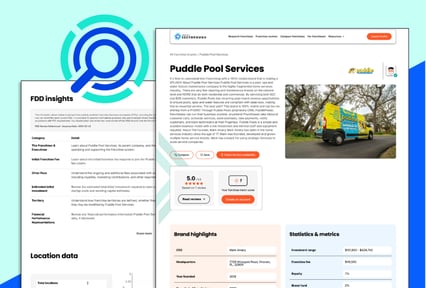
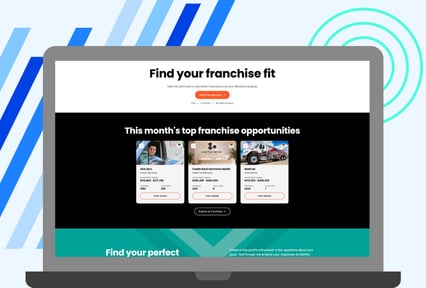
Or if you want to start exploring on your own before you talk to an advisor, check out Sidekick SeeThrough, our franchise research platform. You can compare brands, read franchisee reviews and compare FDD Items for free.
Frequently asked questions about reviewing FDDs
What is a Franchise Disclosure Document?
A Franchise Disclosure Document is a legal document that franchisors in the U.S. are required to give prospective franchisees before any sale. It contains 23 standardized items covering the franchisor's business background, litigation history, fees, financial performance representations, franchisee turnover and audited financial statements.
How long do I have to review an FDD before signing?
At least 14 calendar days. The FTC's Franchise Rule requires franchisors to deliver the FDD at least 14 days before you sign a franchise agreement or pay any money connected to the sale, giving you a legally protected window to review it and consult advisors.
What does it cost to buy a franchise?
It varies widely by brand and industry. Total investment can range from tens of thousands of dollars for a low-overhead, home-based franchise to well over a million dollars for a multi-unit restaurant or hotel franchise. Items 5 through 7 of the FDD lay out the initial franchise fee, estimated total investment, and ongoing fees for that specific brand, which is why reviewing those items alongside your own finances – ideally with an advisor – matters so much before you commit.
Which FDD item should I pay the most attention to?
There's no single "most important" item. That's part of what makes a thorough review worth doing. Items 5 through 7 and 19 cover the numbers most buyers expect to scrutinize. But Item 11 (training and support), Item 21 (the franchisor's own financial health) and Item 20 (franchisee turnover) often reveal just as much about how a franchisor treats its franchise owners day to day.
Do all franchisors disclose their financial performance?
No. Item 19 financial performance representations are optional under the FTC Franchise Rule. An estimated 86% of franchisors now include some form of Item 19 data, up from just 20% in 1995, but that still leaves some brands that make no earnings representations at all.
Do I really need a franchise attorney if I already have an advisor?
Yes, they play different roles. A franchise advisor, like the team at Franchise Sidekick, helps you evaluate whether a brand fits your goals, budget and lifestyle while helping you interpret what you're seeing across the FDD. A franchise attorney reviews the legal agreement itself for enforceability and risk. Buyers who use both tend to go into their franchise purchase with far fewer surprises.
Is buying a franchise a safer way to own a business than starting one from scratch?
Franchising gives you a tested business model, brand recognition and built-in support, advantages an independent startup doesn't have. But "safer" still depends entirely on the brand: its financial health, its franchisee turnover and its support structure, all of which live inside the FDD. That's exactly why reviewing it thoroughly, rather than relying on the sales pitch alone, is the difference between an informed purchase and a hopeful one.








.jpg?width=512&height=288&name=Blog_%20How%20to%20research%20the%20right%20franchise%20(and%20what%20most%20buyers%20get%20wrong).jpg)