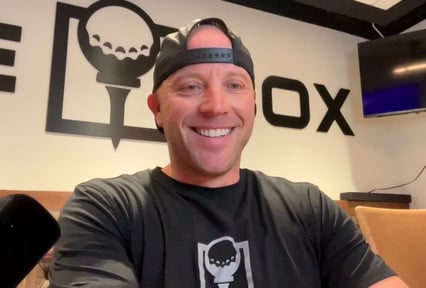
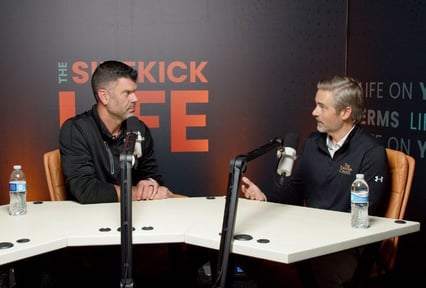
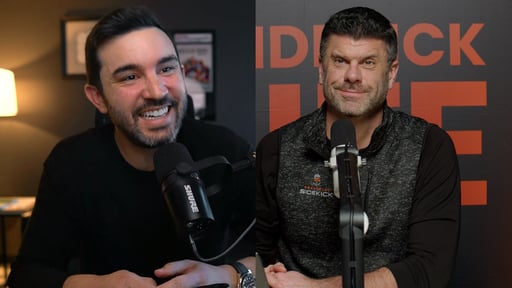
Tee Box founder Preston Unck shares how a pandemic golf hobby grew into a 100+ unit franchise and what it really takes to scale the right way.
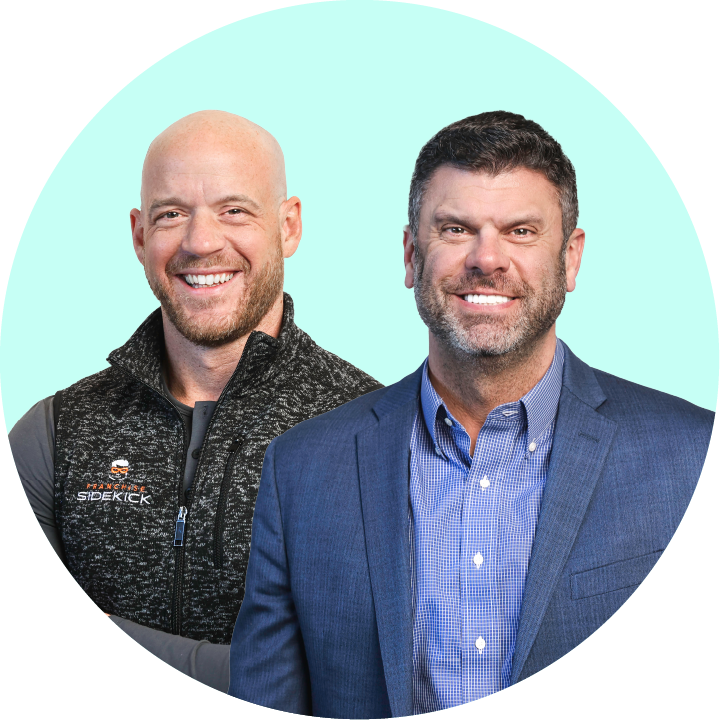
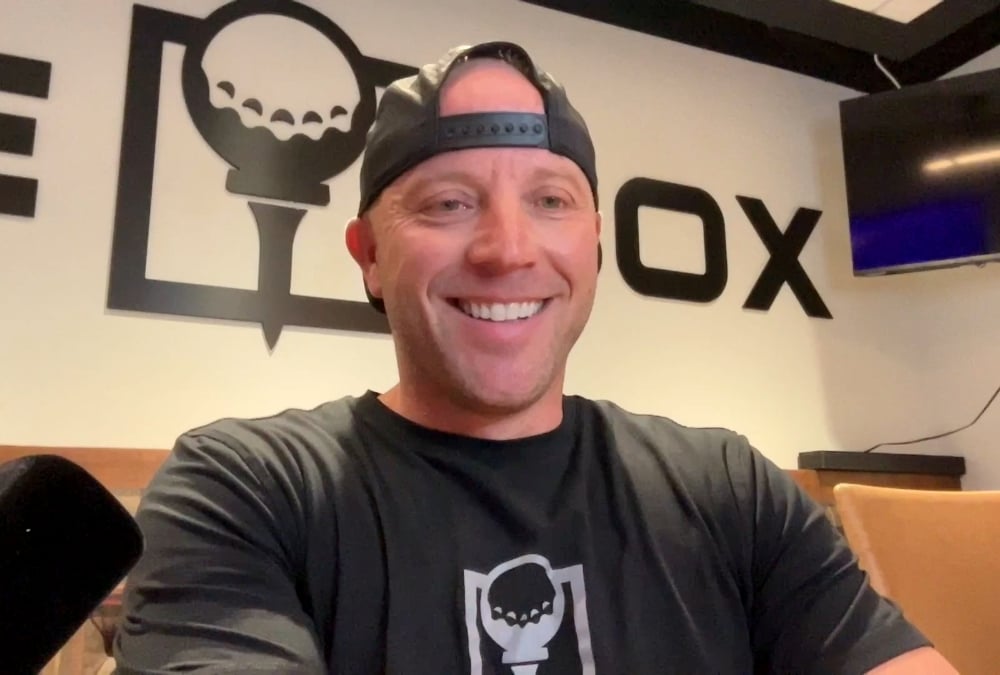
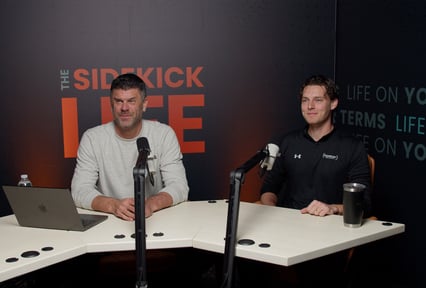
If you've ever wondered what it actually takes to turn a personal passion into a fast-growing franchise brand, Preston Unck's story is the masterclass you didn't know you needed. The founder and CEO of Tee Box – one of the fastest-growing golf simulator franchises in the country – joins Ryan and Tyler on this episode of “The Sidekick Life” to talk about how a pandemic hobby turned into a 100+ unit franchise system, and what it really takes to scale a concept the right way.
Key takeaways:
- Spot the gap before you build the business: The idea for Tee Box came from Preston’s own frustration trying to get better at golf.
- Bring in experts instead of winging it: Preston hired franchise-savvy executives early on rather than trying to navigate alone.
- Expect a real head start, not a shortcut: He estimates franchising saved him two to three years of costly trial and error.
- Growth should be disciplined, not just fast: With 100+ locations and a 30+ person support team, Tee Box scaled deliberately, prioritizing quality.
- Stay anchored to your mission: Tee Box passed on trendy add-ons like food and beverage to stay focused on its core purpose: helping golfers actually improve.
- Data and technology are the next competitive edge: A data partnership with Trackman is powering AI-driven coaching insights that set the brand apart.
- Passion fuels the long game: As Preston puts it, businesses don't fail when they run out of money, they fail when they run out of passion.
A pandemic hobby that changed everything
Preston's golf journey started in 2020, with too much time on his hands. What began as a way to get outside during COVID quickly became an obsession.
As he played more, he noticed something missing in how golfers were trying to improve. Lessons existed, sure, but nothing brought together the full picture: the body, the swing and the equipment. So, he decided to build it himself, opening a facility that combined gym-style fitness training, Trackman simulators and PuttView putting greens into one membership-based experience.
"Combining my SaaS background and my business background, but also identifying a gap in a marketplace, it hit me like a bag of bricks," Preston said. "I think when entrepreneurs have that mentality and the right idea it's hard for them not to do it."
From one location to a franchise opportunity
He initially started out with the idea to build a single great location, and he nearly stopped there before Trackman came calling with a franchise partnership opportunity tied to their broader player-development push.
Even then, the idea didn't click right away.
"Once a founder learns really what franchising is, it's a beautiful thing," Preston said. "I want to say conversion for me in the sense of like, once I was all in, and that's usually what happens, I'm all in."
That all-in mentality has paid off. Tee Box has grown to over 100 locations, backed by $8 million raised to date and a $15 million funding round in the works. But he’s quick to point out that fast growth and reckless growth aren't the same thing – a distinction every aspiring franchisor and franchisee should pay attention to.
Why Preston brought in the experts (instead of winging it)
One of the most valuable parts of this conversation is Preston's honesty about what he didn't try to do alone. Despite a strong entrepreneurial background in software and sales, he knew franchising required a different kind of expertise and a different level of accountability.
"Franchising is different," Preston said. "You're taking other people's hard-earned cash, money, time and most importantly, reputation in their market and their community."
Rather than trying to "figure it out" himself, Preston brought in executives who understood franchising deeply, leaned on partners like Franchise Sidekick to vet candidates with integrity and protected his own time to focus on what he does best: vision and sales. It's a lesson that applies far beyond golf. Know what you're good at and build a team around the gaps.
The real cost of doing it alone
For anyone weighing whether to franchise their own concept or buy into an existing one, Preston offers some advice.
"To be honest, our revenues, I thought were good," Preston said, reflecting on his early days as a single-location owner. "But it took me three years to know what I now know."
That time savings is the heart of the franchise value proposition, paying to skip the expensive trial-and-error phase that every independent operator has to grind through. Ryan tied this back to research from the International Franchise Association, which found franchised businesses outperform independent businesses in the same space by an average of 40%.
When you stack a multi-year head start on top of better long-term performance, the math on franchise fees starts to make a lot more sense.
Staying disciplined while scaling fast
Growing to 100+ locations might sound aggressive, but Preston was adamant that Tee Box's growth has been intentional, not opportunistic. With 32 full-time employees, a 13-person implementation team and a seven-person marketing team supporting franchisees, the infrastructure has been built to match the growth, not lag behind it.
"We're not growing to capture the market just because there's that opportunity," Preston said. "We grow because we believe every golfer can benefit from our programming and training."
That focus on staying true to the brand's core mission, rather than chasing trendy add-ons like food and beverage concepts, has helped Tee Box avoid the growing pains that have tripped up other franchise brands riding industry hype.
Tech, data and the future of golf training
Looking ahead, Preston is betting big on technology and data as Tee Box's long-term differentiator. The brand has built a deep data partnership with Trackman and is using AI in ways he says haven't been done before in the golf industry, connecting coaches, golfers and equipment manufacturers through shared insights that help players actually improve.
"We are connecting data like nobody in this industry ever has," Preston said.
The payoff is a business model built on retention. Tee Box memberships run 85% annual (not month-to-month), driven by golfers who keep coming back three to five times a week to get better, not just to kill an hour indoors.
Ready for more episodes?
If Preston's story has you thinking about what your next chapter in franchise ownership could look like, we’ve got what you’re looking for.
“The Sidekick Life” is packed with conversations just like this one, real talk, expert guests and practical insights for entrepreneurs at every stage of the journey.
Subscribe to our YouTube channel and stream new episodes every other week on Apple Podcasts and Spotify and never miss the conversation that might just change everything.