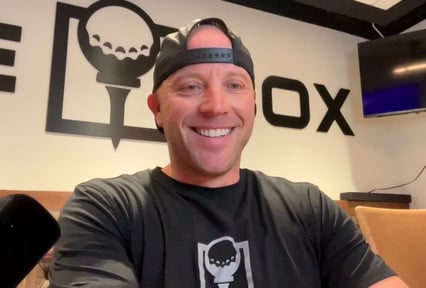
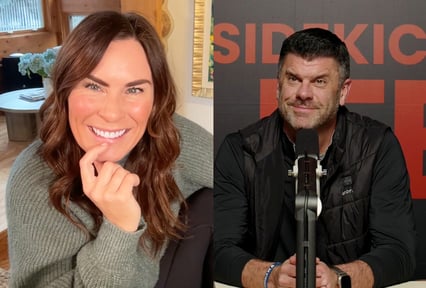
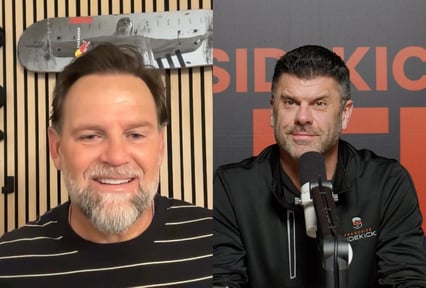
From pro rugby to celebrity training to franchising, Luke Milton shares how lonely life in LA sparked the community-first model behind Training Mate.
Some founders build a business because they spot a gap in the market. Luke Milton built one because he missed the feeling of community.
At just 30 years old and freshly retired from professional rugby in Australia, Luke moved to Los Angeles with his wife, Kerry, walked into a West Hollywood group fitness studio hoping to make a friend and got completely ignored. That single humbling moment became the origin story for Training Mate, the community-first fitness franchise.
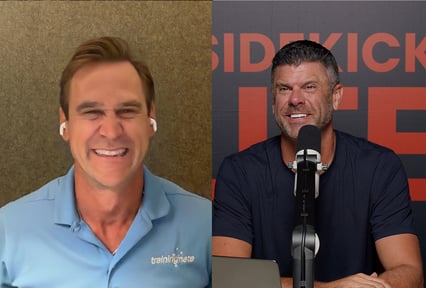
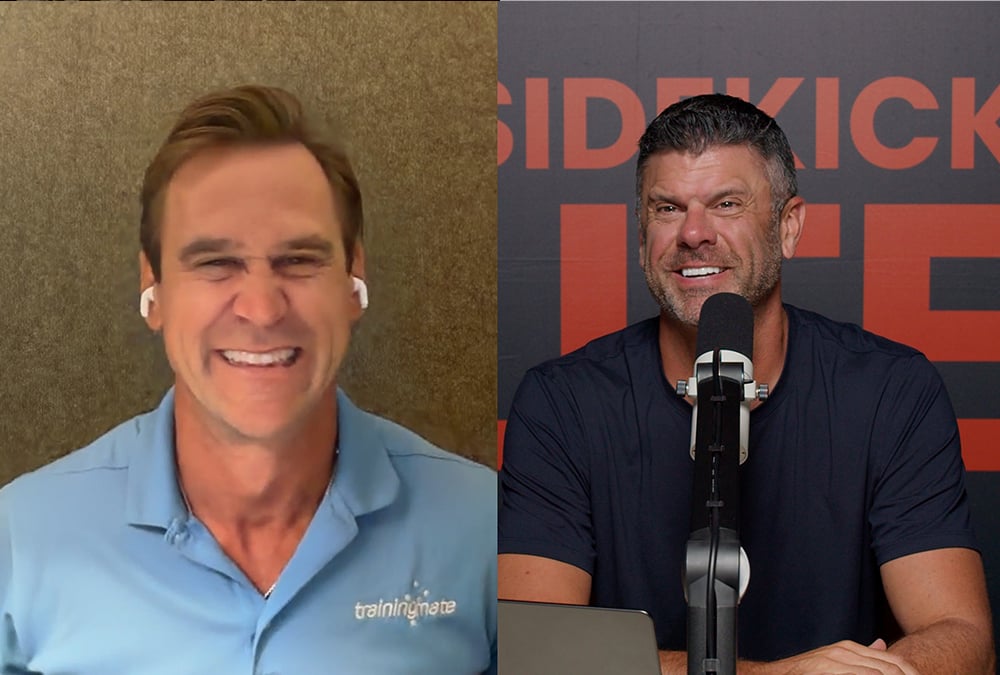
On this episode of "The Sidekick Life," Luke sat down with Ryan and Tyler to talk rugby, resourcefulness, celebrity training, and why he believes people don't leave transactions, they leave relationships. Here's what stood out.
Key takeaways
- Resourcefulness beats resources. You don't need capital to start, you need the willingness to grind it out.
- Franchising doesn't have to mean "manual and disappear." Partnership can be the model.
- Community, not workouts, is what retains members in the fitness business.
- Mentors are everywhere, most people just never ask.
- Growth markets follow migration patterns, go where people are already moving.
From the rugby pitch to a blank page
Luke turned professional at 18, playing top-level rugby in Australia, a country where the sport is treated like religion. At 19, he won the Australian equivalent of a Super Bowl. He retired at 26, and quickly realized it was never really about the sport at all.
"It wasn't the sport that I was in love with,” Luke said. “It was actually all the ancillary things that come along with it. It was the camaraderie. It was the locker room banter."
That realization, that he was chasing connection, not competition, became the blueprint for everything he'd build next.
Bootstrapping without a safety net
Luke didn't come to entrepreneurship with a big rugby paycheck behind him. Australian athletes, he explained, aren't compensated anywhere close to their American counterparts, so when he and Kerry decided to open the first Training Mate location in West Hollywood, the money simply wasn't sitting in an account waiting.
Instead, Luke worked nights driving his father's newspaper delivery trucks from midnight until 4 a.m., then trained personal clients starting at 6 a.m. on just a few hours of sleep, for over two years.
"I wasn't lacking resources at all, but I probably was richer in resourcefulness than I was in resources," Luke said. "I just always worked out how to make it work."
The truck money funded the buildout. The personal training income covered rent. By the time the first studio's contractor finally circled back to finish a punch list months later, Luke and Kerry had already earned enough to pay him.
The snub that built a brand
The idea for Training Mate's culture wasn't dreamed up in a strategy session, it came from a bad first impression. Walking into a group fitness studio as a newcomer looking to build a social circle, Luke was brushed off by the front desk and ignored by other members mid-workout.
"I felt like I had leprosy," Luke said.
Kerry's response was simple: stop feeling sorry for yourself and go build the thing you wished existed. That night became the spark for Training Mate's now-famous philosophy: 49% fitness, 51% social.
"What I identified out of that was that the fitness part had nothing to do with the success of a fitness business," Luke said. "It was actually the community and the team that was the success metric."
That philosophy shows up in tangible ways, monthly "no-shower happy hours" that pull in double the class capacity in walk-ins, and quarterly "mate meetups" where members build friendships, business connections and even book clubs. As Luke puts it, the fitness industry has the workouts figured out. The differentiator is everything else.
"People will leave transactions," Luke said. "They won't leave relationships."
A celebrity following without the ego
Training Mate's reputation grew fast in Los Angeles, eventually catching the attention of A-list clientele and landing Luke a role training celebrities on Revenge Body. But the appeal, he says, was never about intensity or intimidation, the model that had long dominated celebrity fitness.
"I have never read a book, a study, a medical study or spoken to a doctor that has said that you burn more calories or get better results because your trainer is a douchebag," Luke said.
That positivity-first, no-yelling approach resonated widely enough that some of his highest-profile clients insisted on paying full price rather than accepting a comped membership. They simply wanted to be part of the community.
Choosing partnership over franchising-as-usual
Training Mate wasn't originally built to franchise. That shift happened almost by accident when Luke found himself informally mentoring other boutique fitness owners through COVID-era restructuring, staffing and reopening decisions. Someone eventually pointed out what he was really doing: franchising, just without the paperwork.
Rather than model the brand after operators he felt prioritized volume over support, Luke and Kerry set out to build something different, positioning themselves as partners rather than a distant franchisor.
"If you're looking for a manual and then never hear from us again, it's not the right fit for you," Luke said.
With 12 units open and nearly 30 territories already committed, Training Mate is targeting roughly 100 units over the next two to three years, with a sharp focus on fast-growing markets including Florida, Texas, Nashville, Scottsdale, Washington D.C., New York City and expansion along the West Coast from Los Angeles County down to San Diego.
Ready for more episodes?
If Luke's story has you thinking differently about community, resourcefulness or what franchising can look like, we've got what you're looking for.
"The Sidekick Life" is packed with conversations just like this one, real talk, expert guests and practical insights for entrepreneurs at every stage of the journey.
Subscribe to our YouTube channel and stream new episodes every other week on Apple Podcasts and Spotify and never miss the conversation that might just change everything.